Licensing Labyrinths: Tracing How Oversight Variations Affect Multi-Bet Returns in Global Sporting Events
Rafael Hughes · May 28, 2026

Licensing Labyrinths: Tracing How Oversight Variations Affect Multi-Bet Returns in Global Sporting Events
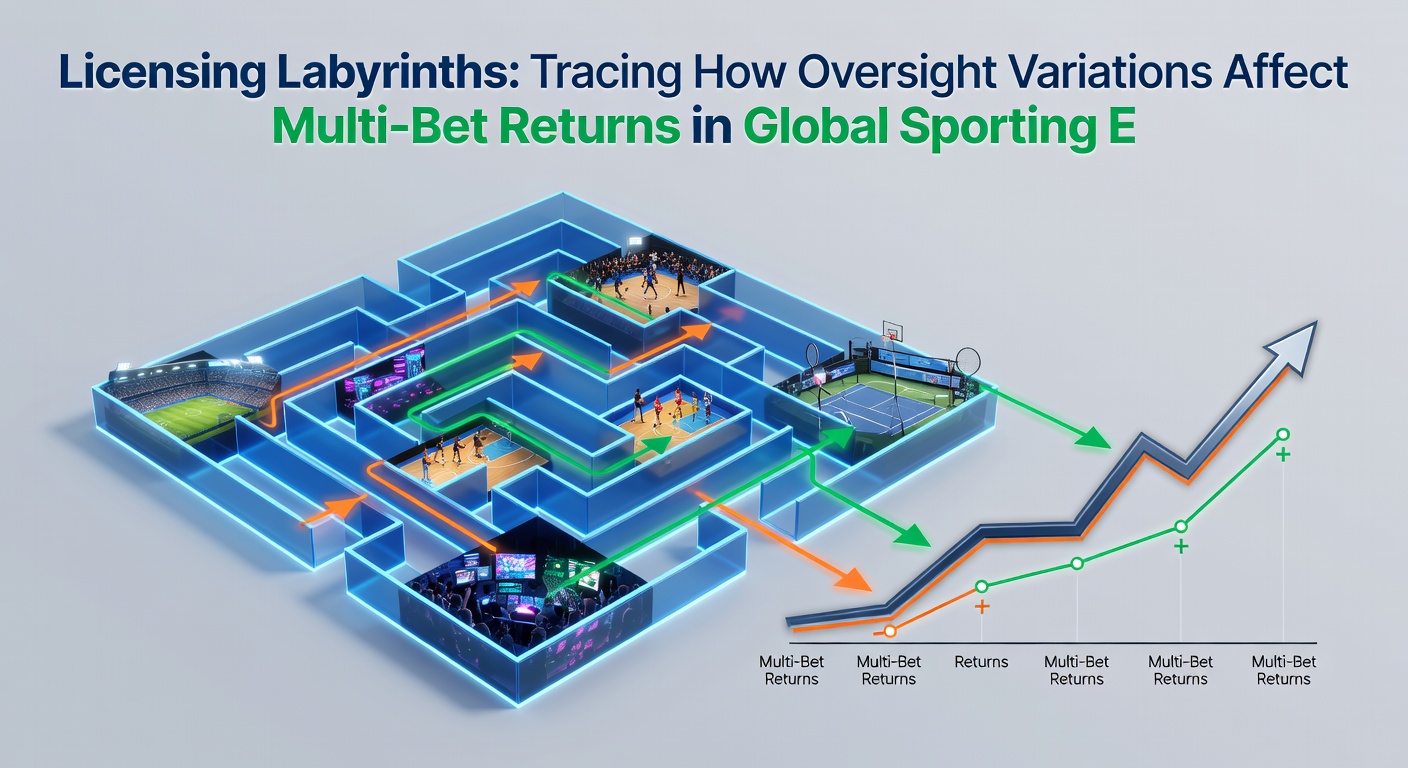
Regulatory frameworks governing sports betting create distinct pathways for how multi-bet products reach bettors across borders, and these differences directly shape the odds, margins, and final payouts available on accumulators. Licensing requirements determine which bet types operators may offer, how they calculate risk, and what taxes apply to winnings or operator revenue, so the same parlay on a tennis tournament or soccer league can yield different returns depending on the jurisdiction where the wager is placed.
Core Differences in Licensing Structures
Licensing regimes range from state-by-state approvals in the United States to national systems in Australia and provincial models in Canada, each carrying unique conditions on product approval and tax treatment. Observers note that markets requiring extensive pre-approval for accumulator structures often see operators build higher margins into multi-bet odds to offset compliance costs, whereas jurisdictions with streamlined licensing processes tend to permit tighter pricing on the same combinations. Data from the Victorian Commission for Gambling and Liquor Regulation shows that tax rates applied at the point of operator revenue rather than at the bettor level can preserve more of the original odds for multi-leg bets placed in that state compared with systems that levy taxes on gross gaming revenue.
Additional layers appear when regulators restrict certain prop types within accumulators or mandate minimum odds thresholds for each leg. These rules force operators to adjust their books in real time, and the resulting price changes flow through to bettors who combine events across different sports or time zones.
Geographic Examples and Their Effects on Returns
In several European Union member states, licensing tied to local consumer-protection standards limits the maximum number of legs permitted in a single multi-bet or requires separate risk disclosures for each added selection. Operators respond by widening margins on longer accumulators, which reduces the effective return compared with markets that allow unrestricted leg counts. Australian state-based licensing, by contrast, permits broader product ranges while imposing point-of-consumption taxes that operators often absorb through volume rather than through higher odds margins, leading to different payout profiles for the same global events.
Canadian provincial frameworks illustrate another pattern. Ontario’s iGaming regime requires operators to hold specific licenses that tie approval of live multi-bet features to ongoing reporting on responsible-gambling metrics, and this administrative burden influences how quickly new accumulator markets are introduced during high-volume periods such as the May 2026 French Open or the concurrent NBA conference finals. Bettors placing cross-border wagers encounter these variations most clearly when comparing teh same multi-leg ticket offered under different licenses.
Tax Treatment and Its Direct Impact on Payouts
Tax structures embedded in licensing agreements alter net returns even before odds are posted. When a jurisdiction taxes operator revenue at the source, bookmakers may offset the cost by adjusting the overround on multi-bets rather than on single selections. Research published by the Australian Institute of Criminology indicates that states applying turnover-based taxes rather than profit-based taxes often see operators maintain narrower margins on accumulators because the tax liability scales with handle volume, encouraging higher turnover through competitive pricing.
Those who have examined licensing documents across multiple regions find that jurisdictions imposing withholding taxes on bettor winnings at the point of payout create a separate adjustment layer. Operators in such markets sometimes inflate the displayed odds to offset the withheld amount, producing a gross return figure that differs from the net amount received by the bettor. This effect compounds when the multi-bet spans events licensed under separate regulatory umbrellas.
May 2026 Context and Ongoing Market Adjustments
During May 2026, overlapping schedules that include the conclusion of several major cricket leagues, the start of the French Open tennis tournament, and NBA playoff series create frequent opportunities for cross-sport accumulators. Licensing variations mean that operators licensed in one province or state may offer these combinations with different leg restrictions or margin allocations than operators licensed elsewhere. Figures released by the Alcohol and Gaming Commission of Ontario reveal that approval timelines for new multi-bet products during peak periods can stretch from days to weeks, delaying the appearance of certain accumulator markets and indirectly affecting price competition.
Operators respond to these constraints by segmenting their offerings according to the strictest licensing conditions that apply to their customer base, which in turn standardizes certain multi-bet returns across otherwise divergent regulatory environments.
Conclusion
Licensing and oversight differences continue to produce measurable variation in the returns available on multi-bets across global sporting events. Tax treatment, product approval processes, and reporting requirements embedded in each license determine how operators price and structure accumulators, and these factors remain visible when comparing identical combinations placed under separate regulatory regimes. As schedules intensify in May 2026 and beyond, the effects of these licensing labyrinths will continue to shape the payouts bettors receive on multi-leg wagers.