Referee Assignment Ripples: How Umpire and Official Selections Reshape Margins in Soccer Fixtures and NBA Contests
Gisela Wolf · Aug 9, 2026
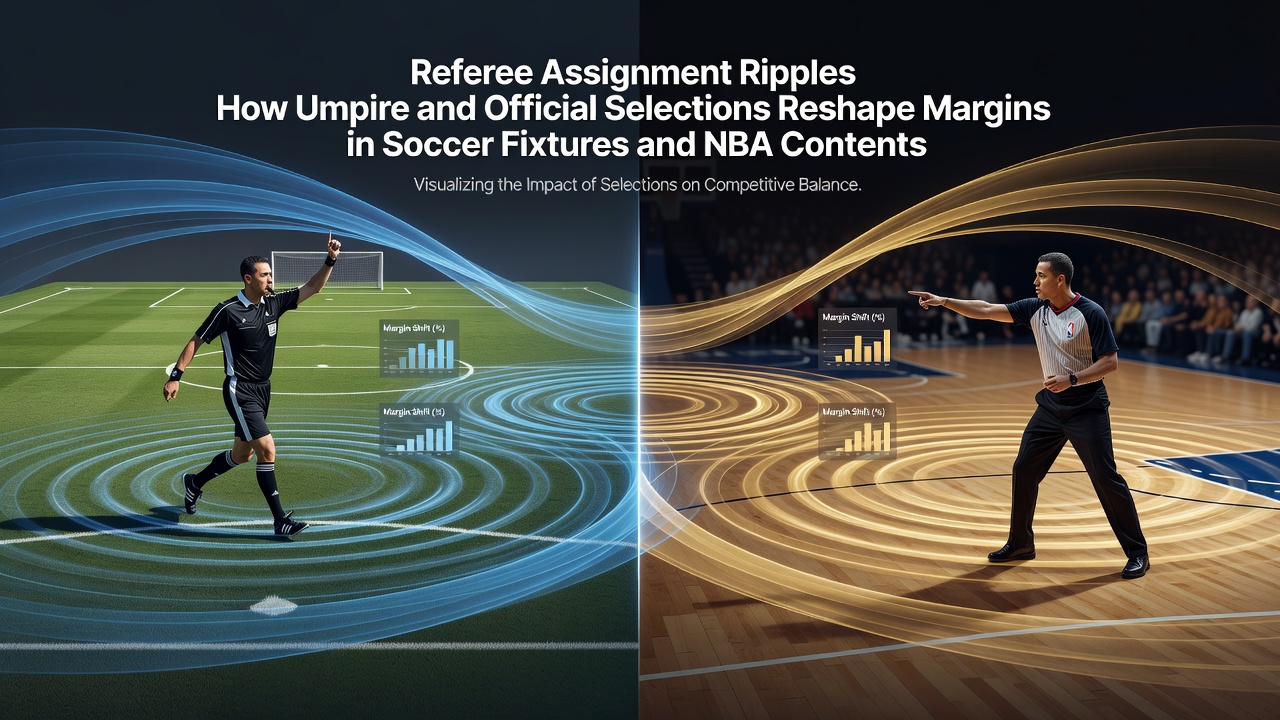
Referee Assignment Ripples: How Umpire and Official Selections Reshape Margins in Soccer Fixtures and NBA Contests
Referee assignments carry measurable effects on game margins across soccer and the NBA, where officials shape foul counts, stoppage time, and possession dynamics in ways that alter final scorelines. Data from multiple leagues shows consistent patterns tied to individual officials rather than random variation alone.
Soccer Fixture Dynamics
League schedulers publish referee rosters weeks in advance, and analysts track each official's historical foul averages, card rates, and added-time distributions across hundreds of matches. Certain referees issue more yellow cards per game on average, which correlates with reduced scoring in tight contests because teams shift toward defensive postures after early bookings. In the Premier League and Serie A, records indicate that matches overseen by stricter officials produce lower total goals when the score sits within one goal entering the final 20 minutes.
Home teams receive measurable advantages in foul calls under specific referees, according to tracking data compiled by sports analytics firms. This pattern holds across European competitions where travel distance and crowd size amplify the effect. August 2026 fixtures in the opening weeks of the Premier League season already list officials known for higher stoppage-time averages, and early results show extended injury-time periods stretching beyond five minutes in several high-profile games.
NBA Official Patterns
The NBA releases crew assignments daily, and betting markets adjust totals and spreads within minutes of those announcements. Officials vary in their whistle frequency, with some crews averaging 42 fouls per game while others hover near 36. Teams that rely on perimeter shooting see their effective field-goal percentages drop when matched against crews that call more defensive three-second violations and illegal screens. Data from the 2024-2025 season onward demonstrates that certain referees award more free throws to star players, shifting point margins by an average of three to five points in close contests.
Back-to-back games and travel schedules interact with these tendencies because fatigue increases foul rates league-wide. Observers note that crews assigned to Western Conference road teams during condensed schedules produce higher foul totals in the fourth quarter, directly influencing overtime probabilities and final margins.
Research Findings on Margin Shifts
Studies published in the Journal of Quantitative Analysis in Sports examined thousands of matches and found that referee identity accounts for roughly 8 to 12 percent of variance in point differentials once team strength and venue are controlled. In soccer, similar work from German sports science institutes shows that referee experience level correlates with fewer penalty decisions in the final 15 minutes, preserving narrower margins in draws and one-goal games.
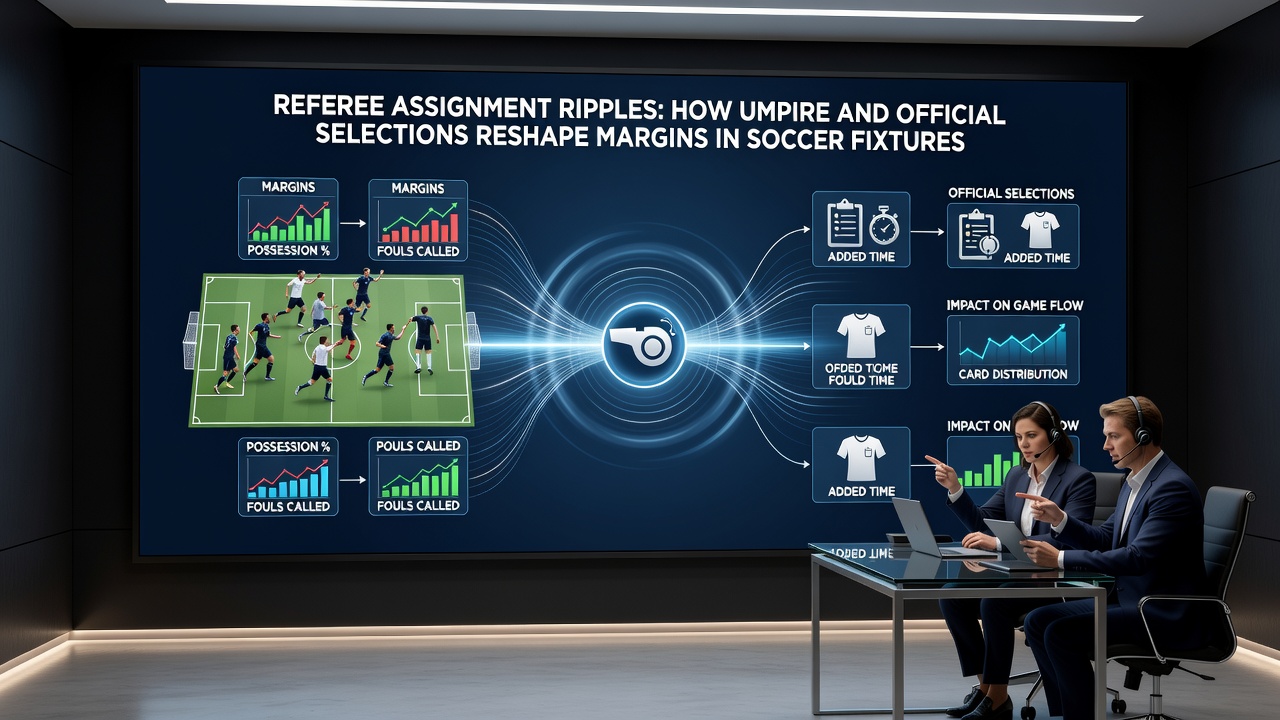
August 2026 training camps and pre-season tournaments provide fresh data points because new officials receive prominent assignments. Early tracking reveals that these newer crews call more traveling violations in transition, which compresses fast-break opportunities and reduces average points per possession for high-tempo teams.
Assignment Transparency and League Policies
Both FIFA and the NBA maintain centralized assignment committees that rotate crews to prevent perceived favoritism. Public reports from the NBA's last collective bargaining agreement detail how the league monitors foul discrepancies by crew and issues internal reviews when patterns exceed statistical thresholds. European soccer federations publish post-match statistics that include referee-specific metrics on cards and penalties, allowing clubs to prepare tactical adjustments days before kickoff.
Cross-league comparisons highlight regional differences. Australian A-League data released by Football Australia shows lower variance in added time compared with CONMEBOL competitions, where referee selection produces wider spreads in stoppage duration and therefore more late-game goal opportunities.
Conclusion
Referee and official selections function as measurable variables that shift expected margins in both soccer and NBA contests. League databases, academic studies, and publicly released statistics demonstrate consistent effects tied to individual tendencies in foul calls, card issuance, and time management. Teams and analysts incorporate these patterns into preparation and evaluation processes because the data continues to accumulate across seasons.