Settlement Showdowns: Discrepancies in How Platforms Handle Disputed Calls During Penalty Shootouts and Super Overs
Morgan Beck · May 24, 2026
Settlement Showdowns: Discrepancies in How Platforms Handle Disputed Calls During Penalty Shootouts and Super Overs
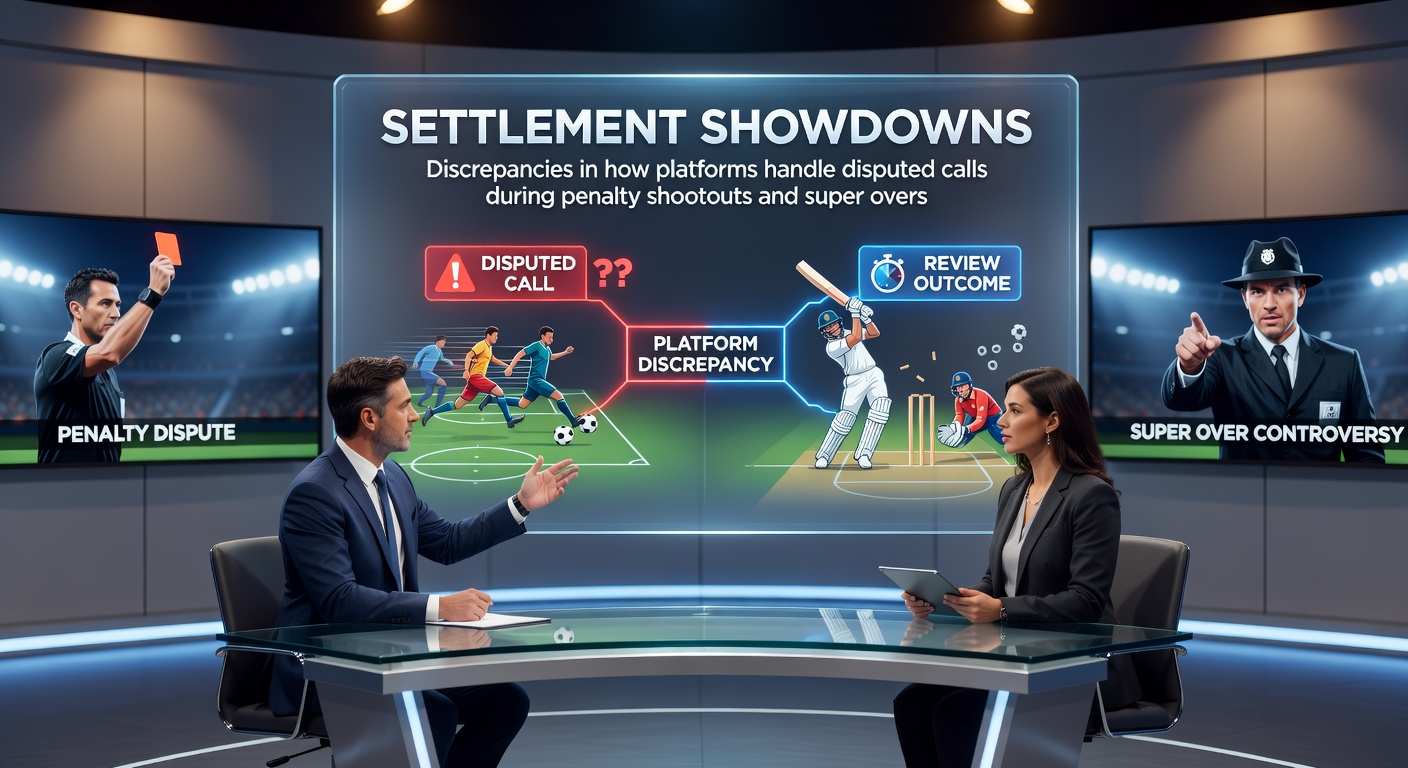
Penalty shootouts and super overs create intense pressure on both athletes and betting platforms because every call carries direct financial consequences for wagers placed in the final moments of matches. Observers note that platforms apply different rules when video evidence challenges an on-field decision, and these variations produce inconsistent settlement outcomes across operators. Data from major tournaments shows that disputed calls occur in roughly one out of every four shootouts or super overs, yet the resolution process depends on each platform's internal policy rather than a single industry standard.
Core Mechanics of the Two Formats
Penalty shootouts in soccer involve five kicks per team with sudden-death rounds following if scores remain level, while super overs in cricket limit each side to one over with the higher run total determining the winner. Both formats compress high-stakes action into a short window, and any ruling on goalkeeper encroachment, ball crossing the line, wide deliveries, or no-balls immediately affects bet resolution. Platforms must decide whether to wait for official clarification, rely on broadcast footage, or follow their own interpretation when governing bodies issue ambiguous statements.
Disputed Calls That Trigger Settlement Differences
Goalkeeper movement before the ball is struck remains one of the most contested elements in penalty shootouts because slow-motion replays often reveal subtle shifts that on-field officials miss during live play. Some platforms void all bets on the kick if any movement is detected, whereas others require clear evidence that the movement affected the outcome before adjusting results. In super overs, a no-ball call on the final delivery creates similar tension because the batting team receives an extra ball and an automatic run, yet platforms differ on whether pre-existing bets on the over total should be recalculated or left unchanged once the third umpire confirms teh infringement.
Platform Policies in Practice
One major operator settles all penalty-related markets once the initial on-field decision stands unless the competition's governing body issues an official correction within 24 hours, while another waits for broadcast angles before finalizing payouts. The same split appears in cricket where certain platforms treat a caught-behind decision in a super over as final once the on-field umpire raises the finger, but others reopen the market if stump microphones or UltraEdge data later indicate a faint edge. These policy differences become visible during May 2026 tournaments when multiple high-profile matches reach shootouts or super overs within the same week, allowing bettors to compare settlement times and outcomes across accounts.
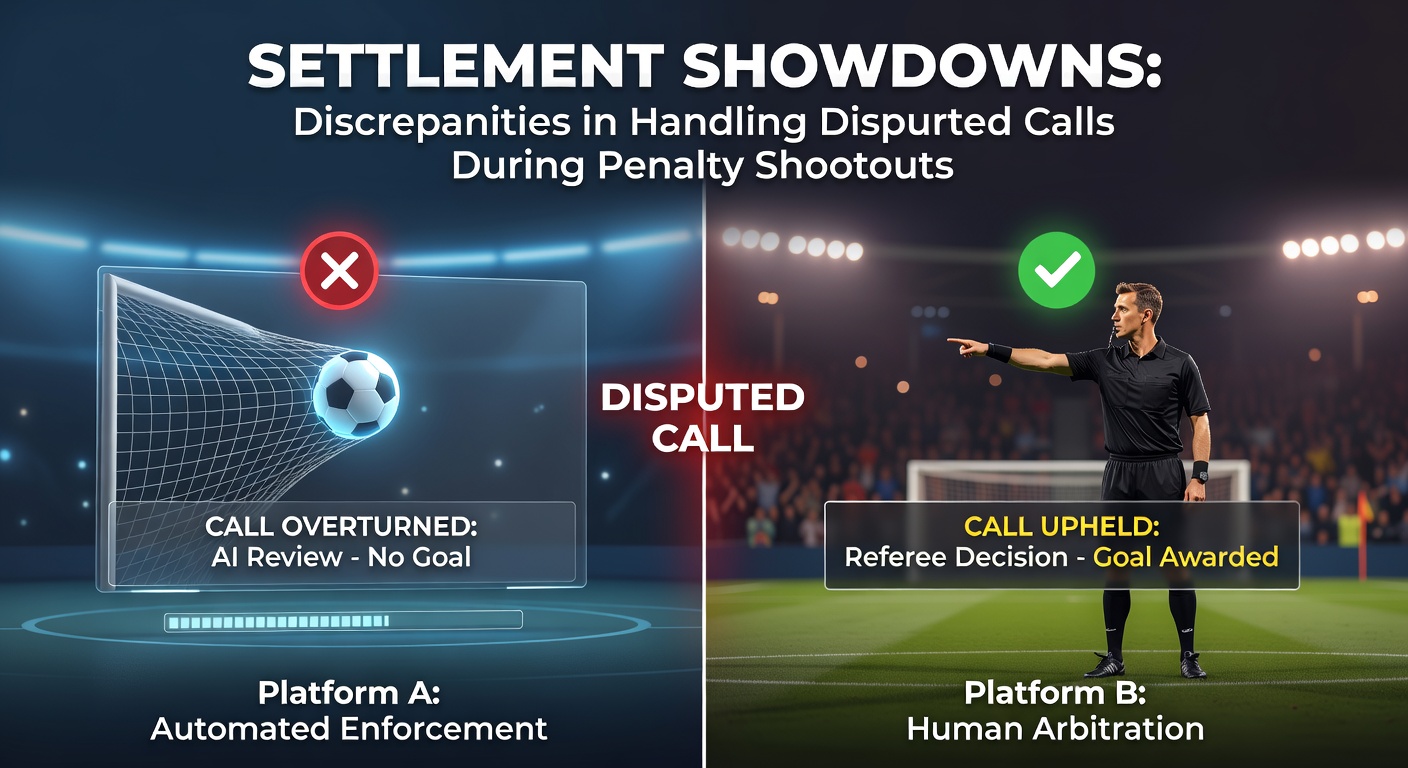
Research conducted by the University of Nevada, Las Vegas gaming laboratory indicates that operators using automated video review systems reach settlements 18 minutes faster on average than those relying on manual review teams. The same study found that platforms headquartered in different regulatory jurisdictions apply distinct thresholds for what constitutes conclusive evidence, with North American operators more likely to accept broadcast replays and European operators waiting for written confirmation from match officials.
Regulatory Influence on Settlement Rules
According to guidance issued by the Alcohol and Gaming Commission of Ontario, platforms must clearly publish their dispute-resolution timeline before accepting wagers on knockout formats so that customers understand when markets will be settled. Australian regulatory reports similarly require operators to maintain records of every disputed call adjustment for at least five years, allowing authorities to audit whether settlement decisions align with published rules. These requirements have prompted several platforms to publish flowcharts that detail exactly which video angles and official statements will trigger a market void or payout change.
Impact on Accumulator and Live Bets
Disputed calls in the final stages of a match affect not only dedicated shootout or super over markets but also accumulators that include the match winner or total points. When one platform voids a leg and another settles it as a win, the same accumulator ticket can produce entirely different returns depending on where it was placed. Live bettors who placed wagers during the super over itself face additional complexity because some operators freeze markets at the moment the disputed delivery occurs while others allow continued trading until the third umpire's decision appears on screen.
Future Standardization Efforts
Industry associations have begun discussing a shared protocol that would tie settlement directly to the competition's official result rather than platform-specific video thresholds, yet adoption remains voluntary. Until such a protocol gains wider acceptance, bettors continue to encounter different outcomes for identical disputed situations depending on which platform holds their wager. Observers note that transparency around these policies has improved since 2024, with more operators publishing case studies of past disputed calls so customers can anticipate how similar situations will be handled in future events.
Conclusion
Discrepancies in settlement procedures during penalty shootouts and super overs stem from the absence of a unified industry standard and the varying regulatory expectations placed on platforms in different jurisdictions. As tournaments progress through May 2026, these differences will continue to surface whenever video evidence challenges an on-field call, leaving the resolution timeline and final payout determined by each operator's published policy rather than a single shared rulebook.